

By Sibel Kosemek, Overseas and Network Sales Supervisor, DPL Logistics
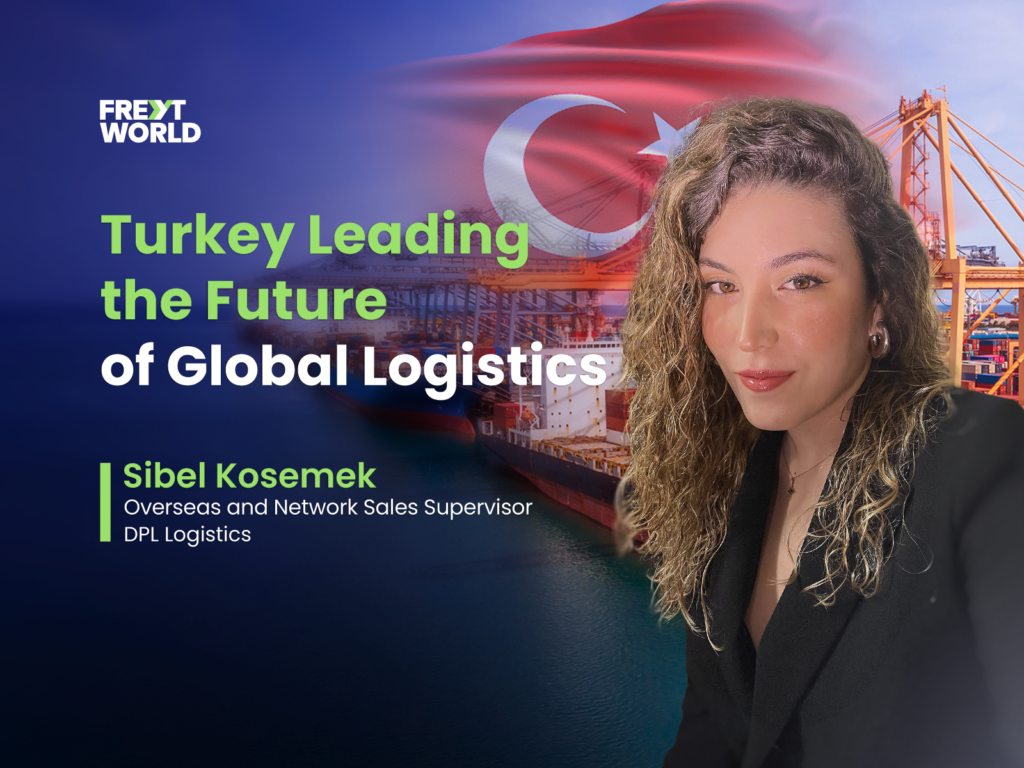
The global supply chain is undergoing a monumental shift. As traditional trade routes face unprecedented disruptions, the world is looking for stability, speed, and strategic depth. In this search for a new equilibrium, one nation stands at the crossroads of every major trade artery: Turkey. While Istanbul remains the historic gateway, the modern Turkish logistics landscape has expanded into a multi-port powerhouse, anchoring the supply chains of the future through elite maritime, air, and project cargo capabilities.
To understand the nuances of this transformation, we look to the industry leaders on the ground. Sibel Kosemek of DPL Logistics, a cornerstone of the Freyt World network, offers a unique perspective on how Turkey is leveraging its diverse geography and infrastructure to redefine freight forwarding in 2026.
A Triple Threat of Maritime Excellence: Istanbul, Mersin, and Izmir
While Istanbul often captures the global spotlight, Turkey’s maritime strength is distributed across several strategic hubs. To move cargo efficiently in this region, a forwarder must master the distinct advantages of the country’s primary ports.
“Turkey’s maritime power is not limited to a single city; it is a nationwide network of high-capacity gateways,” Sibel Kosemek notes. “While Istanbul connects the Black Sea and Marmara, Mersin serves as the vital link for Middle Eastern and Mediterranean trade, and Izmir remains the premier hub for Aegean exports. At DPL Logistics, we treat these ports as a unified system to give our partners maximum flexibility.”
The Port of Mersin: The Gateway to the East
Mersin is one of the largest ports in the Mediterranean, acting as a critical transit point for cargo heading to Iraq, Syria, and the wider Middle East. Its massive container capacity and advanced customs facilities make it a non-negotiable asset for global supply chains.
The Port of Izmir: The Industrial Heart
With its deep-water terminals and proximity to Turkey’s industrial manufacturing core, Izmir specializes in high-volume exports. It is the preferred choice for companies seeking direct access to European and North American markets via the Aegean Sea.
Air Freight Innovation at the World’s Newest Hub
Istanbul Airport has quickly risen to become one of the most technologically advanced air cargo hubs in the world. For time-critical shipments, Turkey offers an unmatched geographical advantage, reaching over 50 countries within a four-hour flight.
“Air freight in Turkey has reached a level of sophistication that allows us to bypass global bottlenecks,” says Sibel Kosemek. “The infrastructure at Istanbul Airport, combined with our local handling expertise, ensures that high-value goods move with zero friction. Whether it’s automotive parts or urgent pharmaceuticals, our air freight solutions are built for speed and reliability.”
This agility is particularly crucial for industries that form the backbone of Turkish exports. The ability to integrate rapid air solutions with a robust trucking network across the Mediterranean and Black Seas gives Turkish freight forwarders a competitive edge that helps Freyt World members stay ahead of the curve.
The Complexity of Project Cargo and Heavy Lift
Turkey’s role in global energy and infrastructure projects has skyrocketed. From wind turbine components to massive industrial machinery, the demand for "Project Cargo" expertise has never been higher. Navigating the logistics of oversized loads requires a blend of engineering precision and regulatory mastery.
“Project cargo is where logistics becomes an art form,” Sibel explains. “It requires meticulous planning, from route surveys to specialized equipment procurement. At DPL Logistics, we thrive on these complexities. We aren't just moving equipment; we are managing high-stakes operations that require a deep understanding of Turkish terrain and regional regulations.”
Digitalization and the Modern Freight Forwarder
The role of the freight forwarder is evolving from a mere intermediary to a sophisticated data manager. In Turkey, the push for "Logistics 4.0" is well underway. From AI-driven route optimization to blockchain-enabled documentation, the Turkish logistics sector is embracing technology to eliminate the bottlenecks of the past.
“Digital transformation is the language of modern logistics,” Sibel emphasizes. “We are moving away from manual tracking toward real-time visibility. For our partners in the Freyt World network, this means total transparency. When a member trusts us with their cargo in Mersin, Izmir, or Istanbul, they are getting a data-backed assurance that their shipment is being managed with the highest level of technical precision.”
Sustainability and Green Maritime Trends
As the European Union’s Green Deal begins to impact trade regulations, Turkey’s maritime and air sectors are rapidly adapting. The "Green Logistics" movement is gaining momentum, with investments in eco-friendly port equipment and a focus on reducing the carbon footprint of Mediterranean shipping routes.
“Sustainability is no longer a corporate social responsibility checkbox; it is a commercial requirement,” Sibel Kosemek observes. “Our clients in Europe and North America are demanding greener supply chains. By optimizing our maritime routes and improving port efficiency across Turkey, we are helping our global partners meet their ESG goals while maintaining operational excellence.”
Navigating Challenges with Expert Local Knowledge
Despite the growth, the Turkish logistics market is not without its complexities. Navigating local customs regulations, fluctuating currency dynamics, and regional geopolitical nuances requires more than just a GPS, it requires deep-seated local expertise. This is where the value of a Freyt World membership truly shines. Having a thought leader like Sibel Kosemek and a dedicated team at DPL Logistics means that global partners have a "boots on the ground" advantage.
“In Turkey, relationships and local knowledge are just as important as infrastructure,” Sibel remarks. “Customs brokerage and regulatory compliance can be a maze for the uninitiated. Our role is to act as the navigator, ensuring that our partners' cargo moves through Turkish ports with zero friction. We pride ourselves on being the experts who solve problems before they even reach the client’s desk.”
The Future of the Freyt World Network in Turkey
As we look toward the remainder of 2026, the trajectory for Turkish logistics is clear: upward. With the continued expansion of port capacities in Mersin and Izmir and the strengthening of air cargo networks in Istanbul, Turkey’s role as a global logistics linchpin is undeniable.
For Freyt World members, the partnership with DPL Logistics represents a gateway to this high-growth region. Whether it’s handling complex maritime routes, urgent air shipments, or specialized project cargo, the expertise found across Turkey’s major ports is a vital asset for the entire network.
“We don’t just move boxes; we move the economy,” Sibel Kosemek concludes. “At DPL Logistics, we are excited to showcase the power of Turkish maritime, air, and project logistics to the Freyt World community. We are ready to prove why Turkey is the center of the world for freight forwarding.”

Freyt World Blog Contributor
Freyt World is a global logistics network uniting members from around the world. Our mission is to revolutionize global logistics through collaboration and innovation. Our platform goes beyond networking, enabling members to excel and grow together, featuring articles by logistics professionals for their peers. This series will cover industry-relevant issues and news, providing valuable insights for professionals in the field.
Read more Freyt World Blogs ⇲
- Turkey Leading the Future of Global LogisticsTurkey is strengthening its position at the center of global trade, with Istanbul, Mersin, and Izmir forming a unified logistics network across sea, air, and project cargo. Expanded port capacity, advanced air freight infrastructure, and specialized heavy-lift expertise are reshaping regional supply chains. Sibel Kosemek of DPL Logistics explains how local knowledge and multi-port coordination are driving Turkey’s logistics momentum in 2026.
- Secure Your Supply Chain with the Excise Movement Guarantee
 KC Group Shipping explains how the Excise Movement Guarantee enables duty-suspended movements across the UK. The article outlines its impact on liquidity, compliance, and post-Brexit excise logistics operations.
 - AWA Moves Multi-Million Dollar GEnx Engine from LAX to UK
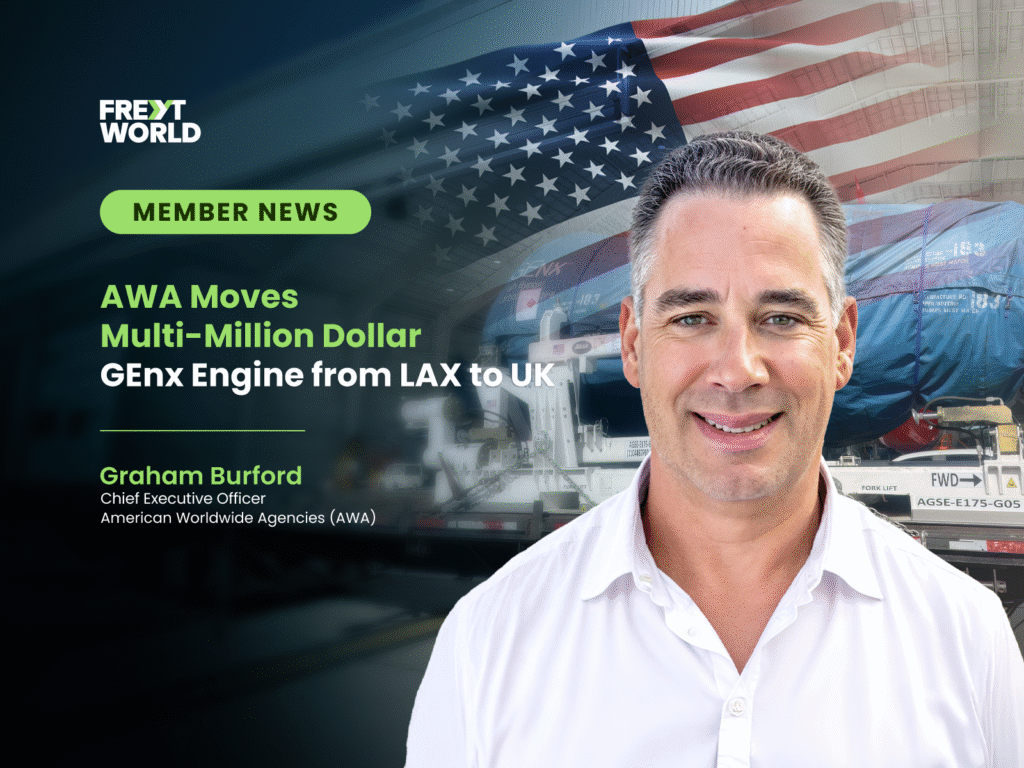 American Worldwide Agencies completed the transport of a high-value GEnx-1B aircraft engine from Los Angeles to the United Kingdom. The move highlights its expanded aerospace logistics capabilities following the acquisition of UAC.