

By Albert Ghazaryan, Co-Founder, CargoFront
Ask a forwarder how they got strong in a market and you usually get one of two answers. They opened a branch, or they found the right agent.
The branch is the older answer, and it is still the most complete one. A branch gives you presence inside the time zone. Someone your client can call and expect to reach. A branch is what makes a company of forty people feel local to a client on the other side of the world. A branch is not really an office. It is availability, sitting in one place every working day.
It is also expensive. Premises, a manager, salaries, systems, and eighteen months before the numbers turn. For an SME forwarder that is a serious bet, and the branches that fail rarely fail because the market was wrong. They fail because payroll arrived faster than volume.
So most of us take the second route, which is why we belong to networks. Agents give you reach at a fraction of the cost, and the trust that makes it work is what those networks exist to build.
What agents do not give your client is somebody visible on the other end. So the question comes back to your office, and someone answers it by hand. Where is my shipment, and who do I speak to about it.
What a branch does all day
It is worth separating the parts of a branch that need a physical presence from the parts that do not.
Some of it is unavoidably physical. Customs presence. A warehouse. A face in front of a client when something has gone wrong. Relationships built over years of showing up.
The rest, and it is most of the daily hours, is availability. Answering where the container is. Sending the bill of lading again because the client cannot find the email. Confirming that the booking went through. Explaining a charge on an invoice. None of that is physical work. It is information, and in most SME forwarding companies it gets delivered one email at a time, by people who are also trying to do the actual job.
That is the gap a digital branch fills. Not a replacement for the office, and not a replacement for your agents. A layer that gives your clients the availability of a branch, without the cost of one.
What it looks like in practice
The most direct form of this is a client portal carrying your own brand.
Your client signs in and sees their shipments, their documents, their quotes and their history. They check a status at eleven at night without writing to anyone. They pull an invoice from six months ago themselves. They raise a new request and see straight away that it has been received. Your service has not changed. What has changed is that your client no longer waits for your working hours to find out something simple.
Inside your own office the change is bigger than most people expect. Status emails stop arriving. Very few forwarders have ever counted how many of those their team answers in a week, and the number is high. Those hours go back to the files that actually need a person, which is where the margin is.
There is a second effect worth naming. An SME forwarder bidding against a multinational is often judged on infrastructure the client will never use. A portal in your colours, with your name on it, closes a gap that has nothing to do with how well you move freight.
Where AI fits
Most of the information in a forwarding company is trapped in email. It is written down, it is accurate, and it is useless the moment you want to do anything with it other than read it. You cannot show it to a client. You cannot search it properly. You cannot report on it. Somebody has to retype it into whatever system needs it next, and that person is usually the same person handling the file.
What has changed in the last few years is that software can now take an ordinary email and turn it into structured information. A booking confirmation becomes a shipment record with dates and references in the right fields. A rate sheet becomes numbers you can compare. An attachment becomes a document filed against the right job rather than sitting in someone's inbox.
Structure is the whole point. Once information has structure, it can appear in your client's portal without anyone copying it across. It can be searched. It can be counted at the end of a quarter. The email stops being the place where the information lives and becomes just the way it arrived.
What software still cannot do is decide. It can tell you what came in and what it says. It cannot tell you that this client will pay more for a direct service, or that the cheapest option comes from a partner who was late twice. That judgement is yours, and it should stay there. The useful version of AI in forwarding is quiet. It handles the retyping so your people spend their time on the calls.
Where to start
Start where the noise is loudest rather than where the technology is newest. For most SME forwarders that is client visibility, because it is the complaint you hear most often and the most straightforward thing to fix. Replacing a core system, if it ever makes sense, comes last.
About us
For those who have not come across us: CargoFront is an AI workflow and communication platform for SME freight forwarders, and a Preferred Technology Partner of Freyt World. The digital branch is the idea we built the company around, and the white-label client portal is where it starts.
If the above sounded like your Tuesday, I am happy to talk it through, whether or not it goes anywhere commercially. My calendar is here: https://meetings-eu1.hubspot.com/albert-ghazaryan

Freyt World Blog Contributor
Freyt World is a global logistics network uniting members from around the world. Our mission is to revolutionize global logistics through collaboration and innovation. Our platform goes beyond networking, enabling members to excel and grow together, featuring articles by logistics professionals for their peers. This series will cover industry-relevant issues and news, providing valuable insights for professionals in the field.
Read more Freyt World Blogs ⇲
- The Timing Challenge Behind VDM and Airways’ Breakbulk Shipment to Brazil
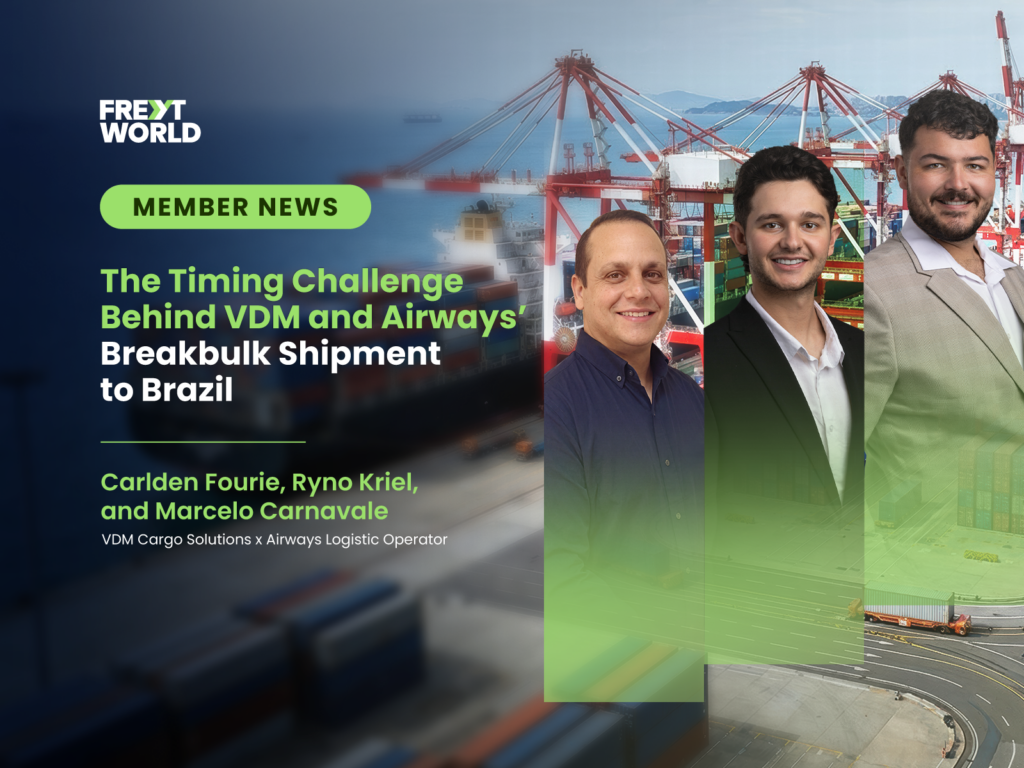 VDM and Airways managed a breakbulk kiln shipment from Durban to Santos, keeping the cargo ready while a shifting vessel ETA made port timing and storage costs the biggest challenge.
 - GTZ Shipping Connects the World to Maldives Paradise Island Resort
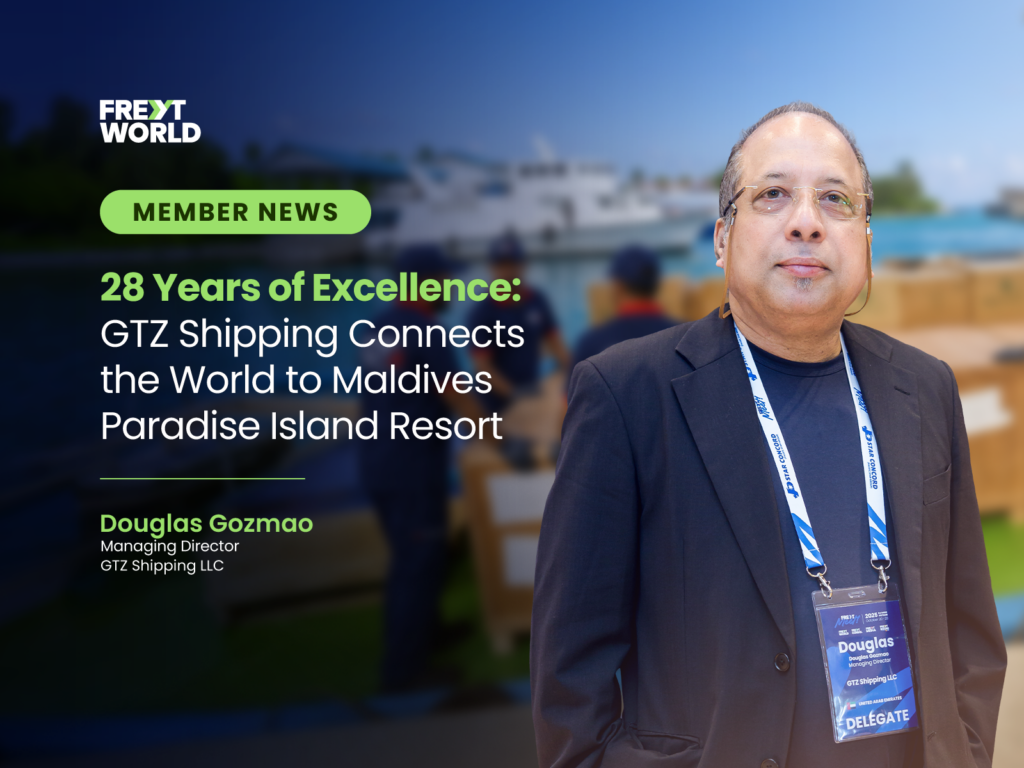 GTZ Shipping has supported hospitality projects in the Maldives for 28 years, coordinating international freight, cargo handling, and island delivery. This article looks at the logistics involved in moving furniture, equipment, and project cargo from global suppliers to resort sites.
 - Behind the Shipment: Exporting Four Tuk-Tuks from Sri Lanka to the UK
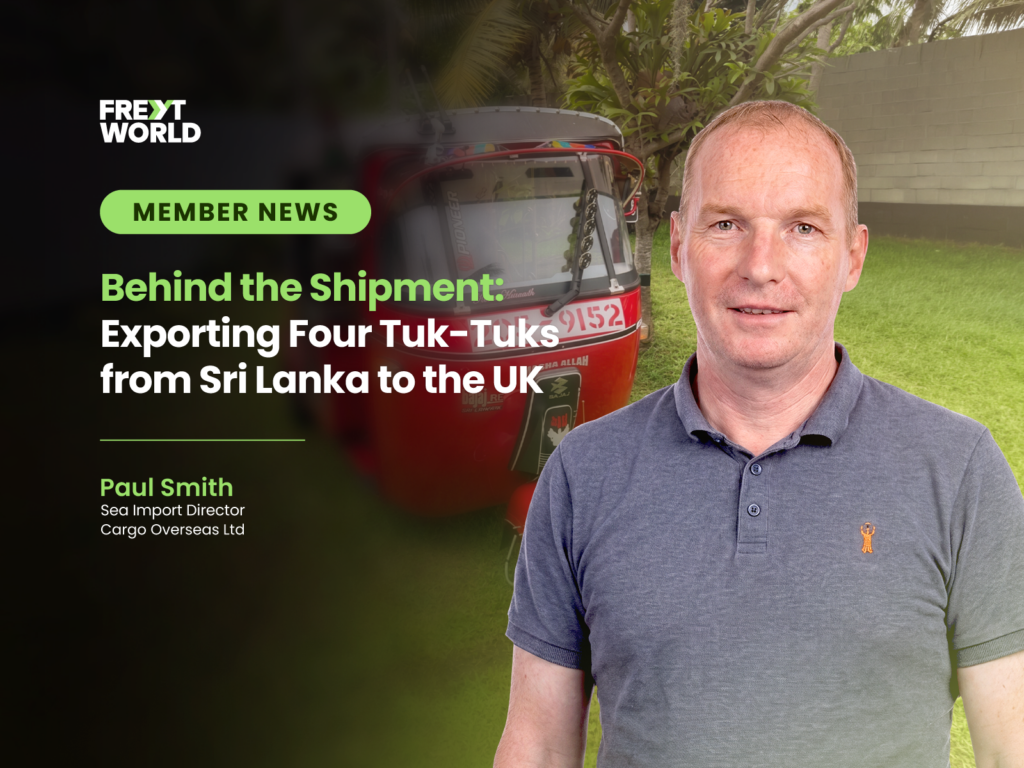 Shipping four Tuk-Tuks from Sri Lanka to the UK involved far more than container transport. This behind-the-scenes look explores the export process, local coordination, inspections, and logistics that kept the shipment moving to West Yorkshire.